
For regions and municipalities
Take the data-driven approach to textile management
Textiles are a unique, tricky waste stream for municipalities and regions to manage. Collection happens through different channels. Sorting and reuse partners report in different ways — if they report at all. Data is incomplete, inconsistent, and hard to compare.
That makes it difficult to understand how your textile infrastructure is really performing, and even harder to improve it.
TEXroad provides the tools and support to make data visible, useful, and actionable — so data-driven decisions and collaboration become business as usual.
Optimize textile infrastructure with maps and benchmarks
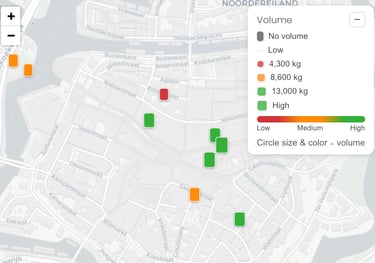
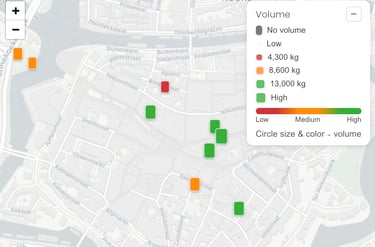
Visualize collection points, volumes, and performance to identify gaps and improve your system strategically.
Collaborate effectively with aligned data and metrics
Measure the effects of changes and projects to drive improvement
Work with the post-consumer value chain actors using shared definitions and simple metrics & targets.
Track results over time to understand what works and where to adjust.
All in one platform
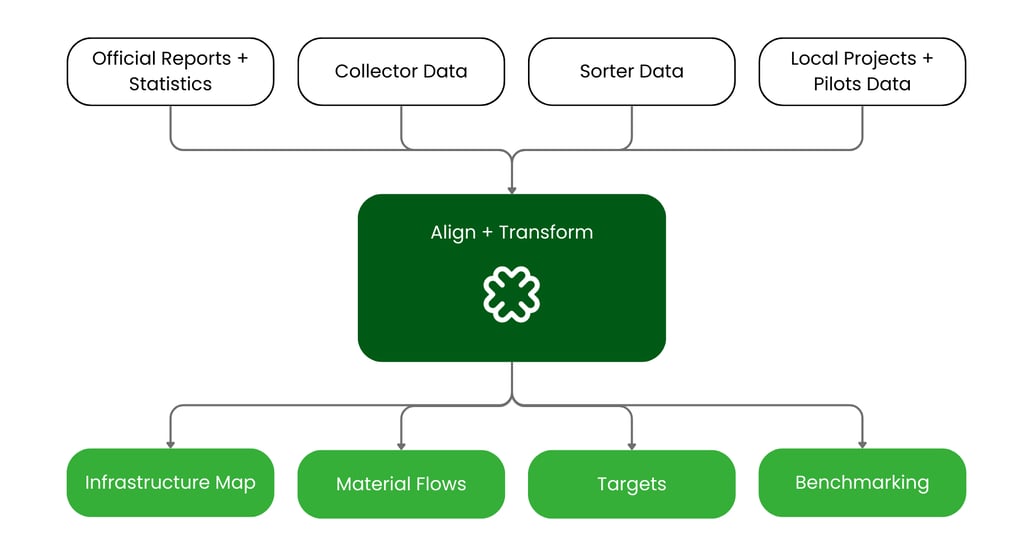
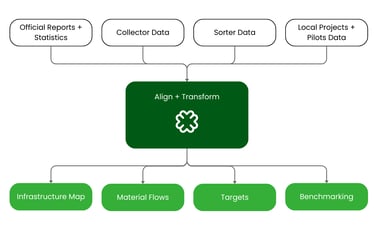
The TEXroad Data Hub brings textile data from regions, municipalities, and their partners together in one interoperable environment — creating a single source of truth.
Visualize collection points and volumes to improve performance
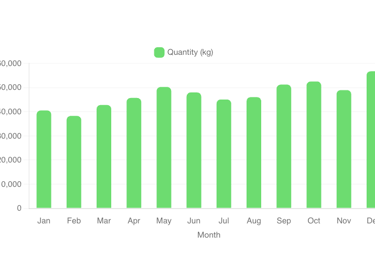
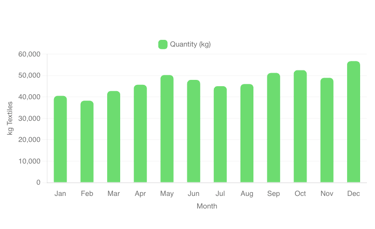
Analyze seasonal patterns and developments over time
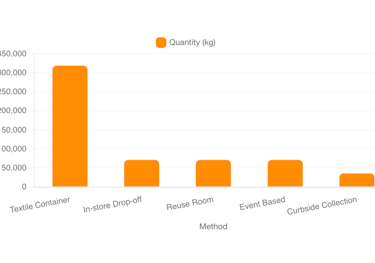
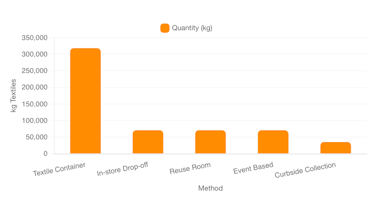
Assess the performance of different types of infrastructure
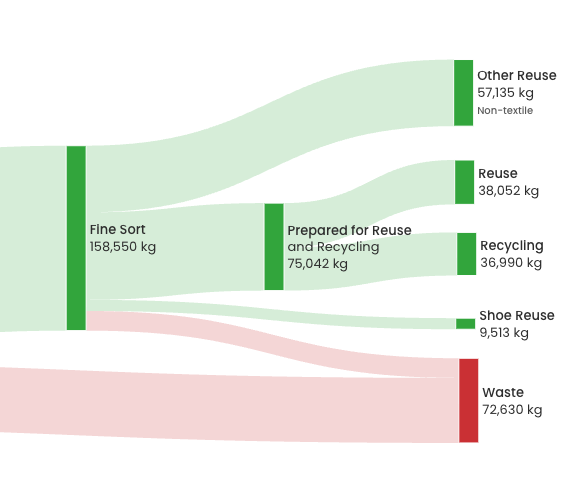
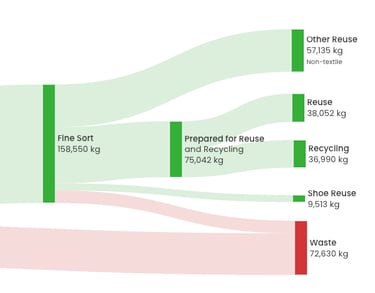
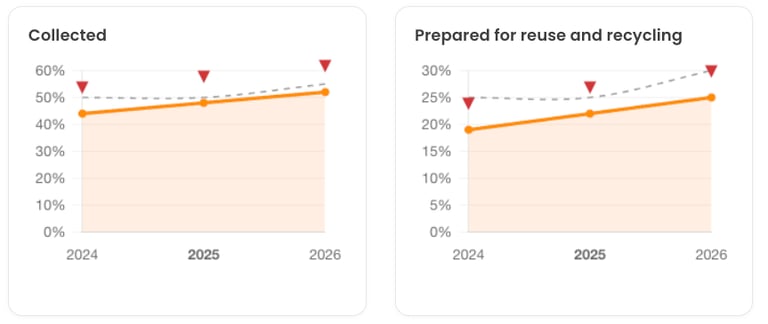
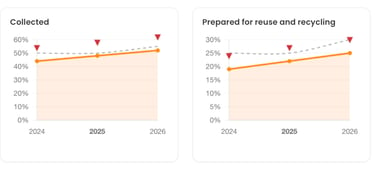
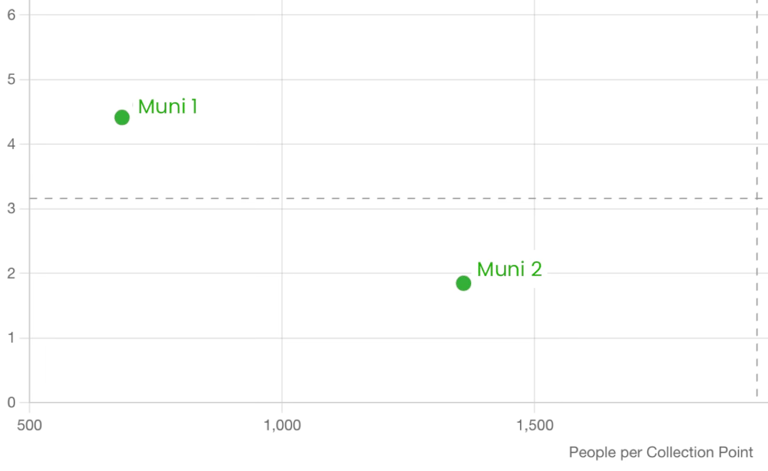
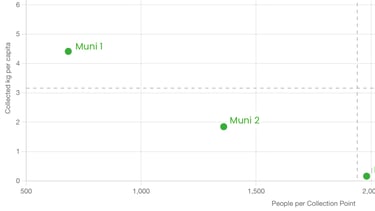
Track materials, monitor progress, benchmark results
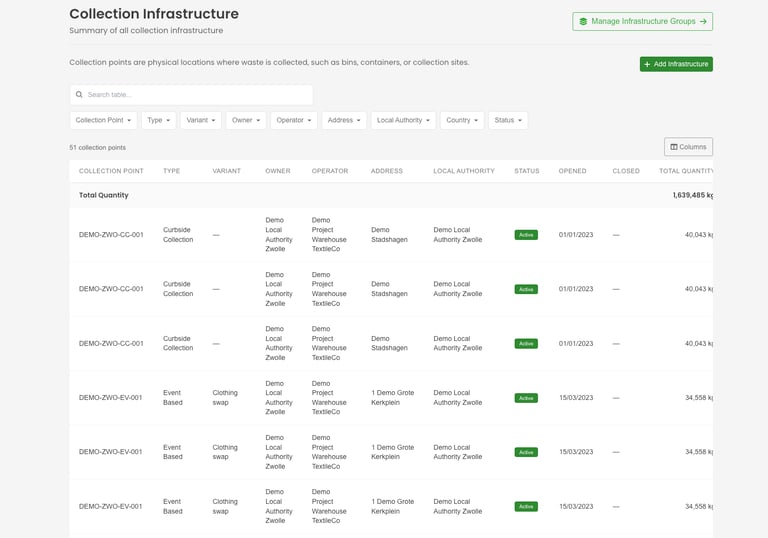
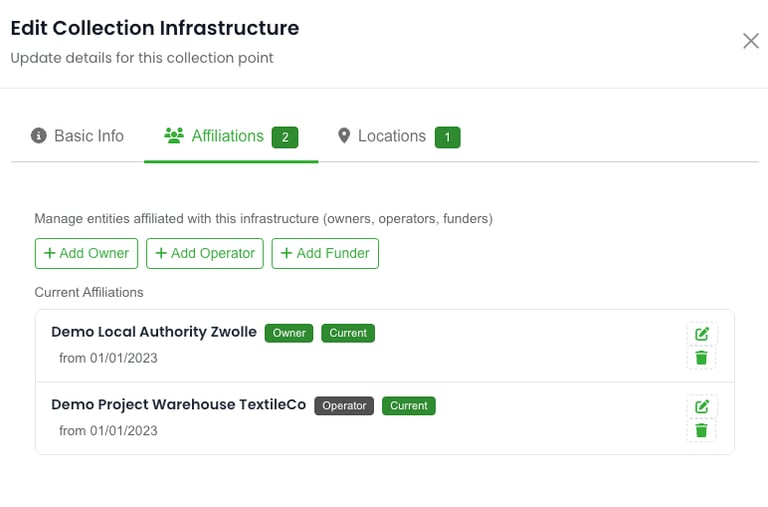
Manage collection infrastructure in one platform
Expert guidance
We work with you to review existing data, align definitions, and connect relevant data sources.
With practical guidance from TEXroad experts throughout the process, your team can confidently use textile data to understand performance, collaborate with partners effectively, and improve the system over time.
Knowledge exchange
Data Hub users are invited to our quarterly workshops. Municipalities, regions, and textile partners come together to share experiences, compare approaches, and learn from each other.
Using data as a common language, these knowledge exchange sessions help co-develop best practices for data-driven textile management.
See how it works

Explore how the Data Hub works for regions and municipalities.
Regions and municipalities we work with


Would you like to collaborate? Let's talk.
Related news and resources
Stichting TEXroad
Wipstrikkerallee 95
8023 DW Zwolle
The Netherlands
KvK: 87867141
VAT: NL864431132B01
Stay connected:
© 2026 by TEXroad Foundation